In modern electrical systems, safety, efficiency, and reliability are paramount. Static electricity, electromagnetic interference, and improper grounding can lead to equipment failure, safety hazards, and costly downtime. To address these challenges, conductive rope and conductive elastic rope have emerged as essential components in electrical applications. As a leading conductive elastic rope factory, SOVETL has developed high-quality, durable solutions designed to meet the demands of industrial and commercial systems.
1. Understanding Conductive Elastic Rope
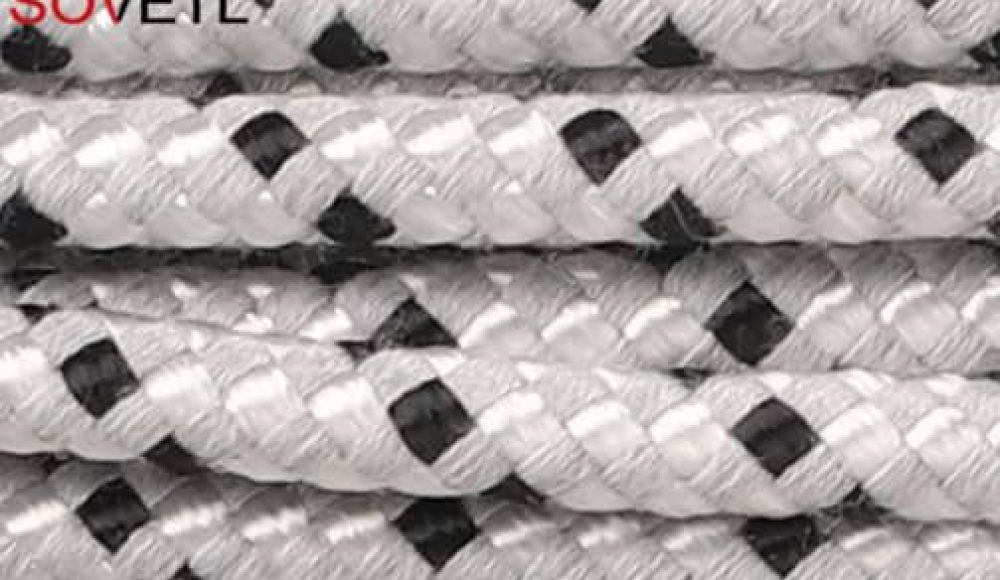
Conductive elastic rope is a specialized material engineered to combine flexibility with electrical conductivity. Unlike standard ropes, which are insulating and prone to static buildup, conductive ropes allow safe discharge of electrical energy while maintaining tensile strength.
Key Properties Table:
| Property | Description |
|---|---|
| Electrical Conductivity | Facilitates safe current flow and static dissipation |
| Elasticity & Flexibility | Adapts to complex routing and stretching requirements |
| Durability | Resistant to wear, abrasion, humidity, and temperature fluctuations |
| Material Quality | High-quality fibers or metal-core blends ensure long-term performance |

2. Primary Advantages in Electrical Systems
a. Enhanced Safety and ESD Protection
Static electricity buildup can damage sensitive electronic equipment or cause sparks. It provides a reliable path for dissipating static charges, reducing the risk of equipment damage and workplace accidents.
Application Example Table:
| Application | Benefit |
|---|---|
| ESD-sensitive assembly lines | Prevents static discharge, protecting equipment |
| Industrial machinery | Reduces risk of sparks in flammable environments |
| Electrical grounding | Maintains stable and safe voltage levels |
b. Flexibility for Complex Installations
Electrical systems often require routing around machinery, conduits, or irregular surfaces. The elastic nature of conductive elastic rope allows it to bend, stretch, and conform, simplifying installation in dynamic environments.
c. Durability and Long-Term Reliability
Manufactured from high-quality materials, conductive elastic ropes withstand mechanical stress, abrasion, and environmental exposure. SOVETL’s ropes maintain conductivity even after repeated stretching.
Durability Comparison Table:
| Feature | SOVETL Conductive Elastic Rope | Standard Rope |
|---|---|---|
| Tensile Strength | High | Medium |
| Conductivity Retention | Excellent | Poor |
| Abrasion Resistance | Excellent | Medium |
| Environmental Tolerance | Humidity & Temperature resistant | Limited |

d. Versatility Across Applications
Conductive elastic ropes are used in:
-
Electrical grounding and bonding
-
ESD-sensitive assembly lines
-
Robotics and automated systems
-
Renewable energy installations
-
Industrial machinery
Usage Scenarios Table:
| Scenario | Typical Use |
|---|---|
| Robotics & Automation | Flexible conductive connections |
| Renewable Energy Systems | Grounding and anti-static protection |
| Manufacturing | ESD control for sensitive electronics |
| Industrial Maintenance | Durable, stretchable conductive links |

3. Why Choose SOVETL?
SOVETL is a trusted conductive elastic rope factory, offering:
-
High-quality materials for excellent conductivity and elasticity
-
Customizable solutions (diameter, length, conductivity)
-
Strict quality control to meet industrial standards
-
Technical support for installation and maintenance
4. Conclusion
The use of conductive elastic rope in electrical systems provides enhanced safety, ESD protection, flexibility, durability, and versatility. Choosing a reliable conductive elastic rope factory like SOVETL ensures consistent performance, reduced downtime, and improved operational efficiency.