In industrial safety and advanced protective applications, material strength is not just about durability—it directly determines worker safety, operational efficiency, and long-term cost performance. Among modern high-performance textiles, UHMWPE protective fabric has gained significant attention for its exceptional cut resistance and lightweight structure.
For manufacturers like Sovetl, UHMWPE-based solutions are becoming a core material choice in next-generation protective equipment, especially in demanding environments where both strength and comfort are required.
What Makes UHMWPE Protective Fabric So Strong?
UHMWPE protective fabric (Ultra-High Molecular Weight Polyethylene) is engineered from extremely long polymer chains, which create a dense molecular structure. This structure allows the fabric to absorb and distribute force more effectively than conventional fibers.
Key characteristics include:
- Extremely high tensile strength
- Outstanding cut resistance
- Low density (very lightweight)
- High abrasion resistance
- Excellent durability under repeated stress
Because of these properties, UHMWPE is widely used in safety-critical environments where traditional materials may fail.

UHMWPE Cut Resistant Fabric vs Traditional Materials
When comparing UHMWPE cut resistant fabric with traditional protective textiles such as aramid fibers or standard synthetic fabrics, several clear differences emerge.
1. Strength-to-Weight Ratio
UHMWPE offers one of the highest strength-to-weight ratios among industrial fibers. It is significantly lighter than many aramid-based materials while maintaining comparable or higher cut resistance. This makes it especially suitable for applications where mobility and comfort are important.
2. Cut Resistance Performance
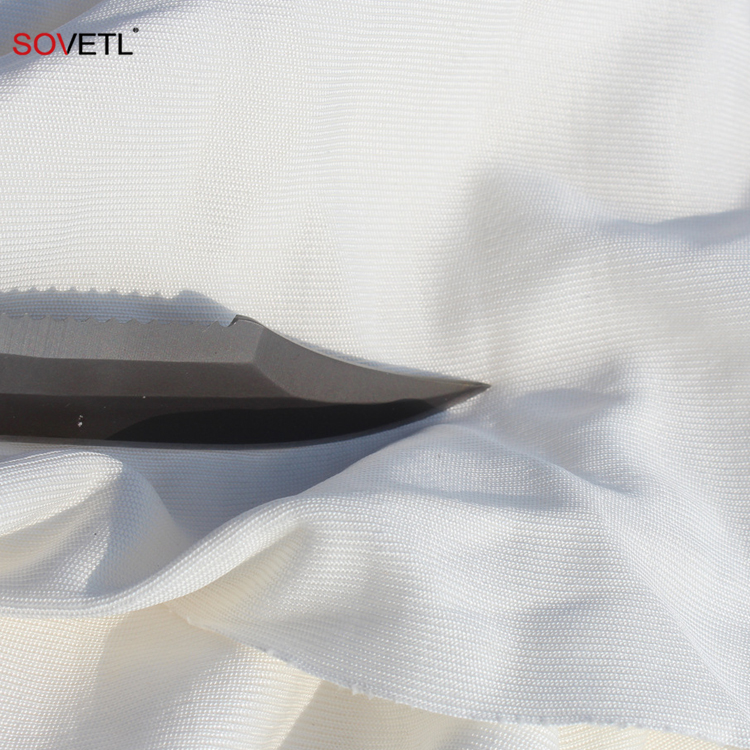
In high-risk environments such as glass handling, metal processing, and industrial manufacturing, UHMWPE cut resistant fabric performs exceptionally well due to its tightly woven molecular structure. Unlike conventional fabrics, UHMWPE resists blade penetration by dispersing force across the fiber network.
3. Flexibility and Wearability
Unlike some rigid protective materials, UHMWPE maintains a soft and flexible structure. This improves usability in wearable protective equipment such as gloves and sleeves.
UHMWPE Knitted Fabric in Real Applications
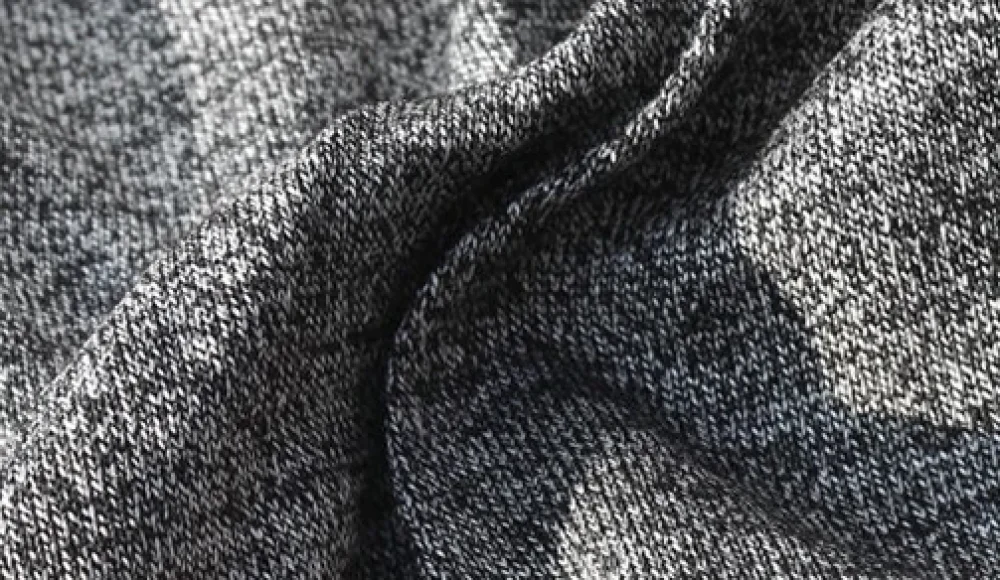
The development of UHMWPE knitted fabric has further expanded its usability in modern protective gear. Knitting technology allows the material to maintain flexibility while enhancing coverage and comfort.
Typical applications include:
- Cut-resistant gloves
- Industrial protective sleeves
- Safety workwear liners
- Automotive assembly protection
- Precision manufacturing environments
Sovetl integrates UHMWPE knitted structures into protective solutions designed for long-term industrial use.
Cut Resistant Knitted Textile: Why Structure Matters
The performance of a cut resistant knitted textile depends not only on the material itself but also on how it is constructed.
Knitted structures provide:
- Better stretch and adaptability
- Improved breathability
- Enhanced ergonomic fit
- Balanced protection and comfort
When combined with UHMWPE fibers, knitted textiles achieve a strong balance between safety and usability, making them ideal for daily industrial operations.
UHMWPE Protective Fabric in Industrial Safety
As industries evolve toward higher safety standards, UHMWPE protective fabric is increasingly replacing traditional protective materials in key sectors:
- Glass and metal processing
- Construction and heavy industry
- Logistics and warehousing
- Mechanical assembly lines
- Emergency and rescue operations
Why Sovetl Focuses on UHMWPE Technology
As a professional supplier in advanced protective materials, Sovetl focuses on developing high-performance UHMWPE-based solutions that balance protection, comfort, and durability. By leveraging UHMWPE cut resistant fabric and UHMWPE knitted fabric technologies, Sovetl provides materials designed for real industrial conditions—not just laboratory performance.
Conclusion:
Compared to traditional materials, UHMWPE protective fabric delivers a superior combination of strength, lightweight comfort, and cut resistance. Its advanced fiber structure allows it to outperform many conventional textiles in demanding environments.
With applications ranging from protective gloves to industrial safety clothing, UHMWPE continues to redefine what modern protective textiles can achieve—especially when engineered into advanced forms like cut resistant knitted textile and high-performance UHMWPE knitted fabric solutions from brands like Sovetl.